What Makes Comic Book Cult Classics Collectible and So Valuable?

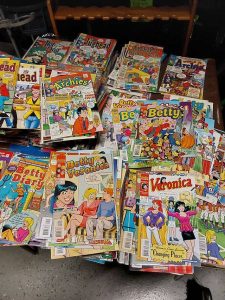
Welcome to our article where we explore the fascinating world of comic book cult classics and their enduring appeal. Comic books have transformed from simple entertainment to highly collectible and valuable classics. Whether you’re a dedicated collector or an investor seeking potential returns, understanding the factors that contribute to the collectibility and value of these beloved classics is key.

Comic book cult classics encompass a wide range of titles and characters that hold a special place in the hearts of fans. From iconic superheroes to groundbreaking storylines, these gems have captivated readers for decades. The allure of collectible comic book Click HERE to Read More. . .

Reading Between the Panels: Analyzing Comic Book Storytelling

Welcome to a world where words and images come together to tell captivating stories. Comic book storytelling is an art form that transcends conventional storytelling methods, captivating readers of all ages and backgrounds. Beyond merely reading the words on the page, the true magic lies in the ability to read between the panels, to unravel the intricacies and layers of meaning that exist within the artwork, structure, and narrative of a comic book.

analyzing comic books

In this article, we will embark on a journey of exploration and discovery, diving deep into the techniques and strategies employed in comic book storytelling. You … Click HERE to Read More. . .

Collecting Comic Books from Different Eras: Golden, Silver, Bronze, Modern

Diving into the world of comic book collecting is like embarking on a time-travel adventure, where each era—Golden, Silver, Bronze, Modern—unveils its own unique flavor of storytelling and art. Imagine uncovering the bright, trailblazing heroes of the Golden Age, where optimism shone in every page.

Key Takeaways:

  • Comic books are categorized into four major ages: Golden, Silver, Bronze, and Modern.
  • Collecting comics from different eras allows you to explore the evolution of the medium and the value of your collection.
  • Each era has its own distinct characteristics and popular superhero titles.
  • Knowing the key issues and understanding the market for
Click HERE to Read More. . .

Giant-Size X-Men #1 (1975) – Superhero; Introduction of the new X-Men team

“Giant-Size X-Men” #1, released in 1975, is a significant milestone in comic book history, particularly for the X-Men series. This issue marked the introduction of the new X-Men team, which was a diverse group of superheroes from various nationalities and backgrounds. This new direction was a departure from the original X-Men team, which consisted primarily of American characters.

Key aspects of “Giant-Size X-Men” #1 include:

  • Diverse Roster: The introduction of a new X-Men team with international characters like Wolverine (Canadian), Nightcrawler (German), Storm (Kenyan), Colossus (Russian), and Thunderbird (Native American). This diversity broadened the series’ appeal.
  • Creative Team
Click HERE to Read More. . .

30 Tips for Trading and Bartering Comic Books

Trading and bartering comic books can be both an enjoyable hobby and a way to build an impressive collection. Here are some tips for trading and bartering comic books:

  1. Know Your Comics’ Value: Before you start trading, it’s important to have a good idea of the value of the comics you own and the ones you’re interested in. Prices can fluctuate based on rarity, condition, and demand. Use online price guides, recent sales data, and comic book grading services to get accurate valuations.
  2. Stay Updated with Market Trends: Comic book values can change with market trends. Superhero movies,
Click HERE to Read More. . .

Unleashing Your Inner Hero: The Adventure of Starting a Comic Book Collection

Starting a comic book collection is an exciting and rewarding hobby. Here’s a guide to help you get started:

1. Setting Goals and Focus for Your Collection

  • Favorite Characters or Series: Identify the characters or series you’re most passionate about. This could be anything from classic superheroes like Spider-Man or Batman to independent or lesser-known comics.
  • Complete Series: Decide if you want to collect entire runs of a particular series. This can be more challenging but rewarding.
  • Themes or Genres: Some collectors focus on specific themes (e.g., space adventures, horror) or genres (e.g., superheroes, indie comics).
  • Special
Click HERE to Read More. . .

How do I start reading comic books?

Starting to read comic books can be an exciting and enjoyable experience, but it can also seem overwhelming due to the vast array of characters, series, and long-running storylines. Here are some tips to help you get started:

  1. Identify Your Interests: Think about the genres or types of stories you enjoy in other media. Comics cover a wide range, from superheroes to science fiction, fantasy, horror, romance, and more. Knowing your preferences can help you choose comics that you’ll enjoy.
  2. Research Popular Titles: Look for lists of recommended comics, especially those targeted at beginners. These can often be
Click HERE to Read More. . .

The Basics of Comic Book Collecting

Introduction to Comic Book Collecting

Comic book collecting is a hobby that involves seeking, organizing, and preserving comic books. It can range from casual fans buying current issues to serious collectors focusing on older and rarer comics. Collecting often extends to related items like original artwork, action figures, and memorabilia.

Brief History of Comic Books

  1. Origins: The modern comic book emerged in the 1930s in the United States, though precursors date back to the 19th century with European and Japanese influences.
  2. Golden Age (1938-1950): This era witnessed the debut of iconic characters like Superman, Batman, and Wonder Woman.
Click HERE to Read More. . .

The Marvel Effect: How Marvel Comics Revolutionized Superhero Cinema & Beyond

How Marvel Comics Revolutionized Superhero Cinema

Marvel Comics, a name synonymous with superhero lore, has not only dominated the box office with its cinematic universe but has also redefined the landscape of modern entertainment. From the creation of rich, relatable characters to the establishment of the groundbreaking Marvel Cinematic Universe (MCU), Marvel’s journey in the film industry is a testament to innovation and strategic storytelling.

The Marvel Cinematic Universe (MCU) and Its Impact:

  1. Rich Character Catalog: With characters like Spider-Man, Iron Man, and the X-Men, Marvel’s extensive pool of complex and human-like heroes has captivated audiences worldwide.
  2. Innovative Film
Click HERE to Read More. . .

The Amazing Spider-Man” #121 (1973) – Superhero; Spider-Man, Gwen Stacy

“The Amazing Spider-Man” #121, released in 1973, stands as a pivotal issue in the world of comic books, particularly for Spider-Man fans. This review explores its narrative, artwork, character development, cultural impact, and legacy, dissecting why it remains a seminal work in the superhero genre.

Narrative and Plot

Issue #121 of “The Amazing Spider-Man,” titled “The Night Gwen Stacy Died,” is written by Gerry Conway and illustrated by Gil Kane. The story is a watershed moment in comic book history, notably for its dramatic and tragic plot. The issue deals with the death of Gwen Stacy, Spider-Man’s girlfriend, at the … Click HERE to Read More. . .

Marvel Comics’ Most Underrated Heroes and Villains

Marvel Comics’ Most Underrated Heroes and Villains


Not all Marvel heroes and villains get their fair share of attention. Some stay overlooked, despite creating unforgettable moments and influencing major storylines. This post highlights the most underappreciated characters you need to know.

Today we’re shining the spotlight on those underrated heroes and villains who add so much depth and intrigue to the Marvel Universe, but don’t always get the recognition they deserve. Let’s embark on this exciting journey together, and who knows, you might find your new favorite character by the end of this post!

The Unsung Heroes of Marvel

Click HERE to Read More. . .

The Amazing Spider-Man #300 (1988): A Milestone in Marvel Comics History

Amazing Spider-man 300 comic book


In the rich tapestry of Marvel Comics, few issues stand as iconic as The Amazing Spider-Man #300. Published in 1988, this comic book not only marks a significant milestone in the history of one of Marvel’s most beloved characters, Spider-Man, but also introduces a new era in comic book storytelling.

This blog post dives into the importance of this issue, exploring its impact on comic book history, characters, stories, and the world of comic book collecting.

The Significance of Issue #300

A Landmark in Spider-Man’s Journey

  • Historical Context: The Amazing Spider-Man #300
Click HERE to Read More. . .